Smart Wardrobe: Self-Cleaning Shoes & Climate Control Jackets
By BAZAAR ADMIN
Mar 24, 2026
388
The fashion industry has long been obsessed with aesthetics, but today the focus has shifted toward functional futurism. We’re no longer waiting for 2050 to wear clothes that "think" for us. Self-cleaning tech, thermal regulation, and adaptive fits have already moved out of the lab and onto store shelves.
In this article, we'll break down the specific models and technologies that allow your wardrobe to work for you, rather than the other way around.
1. Active Climate-Control Jackets: No More Layering Up
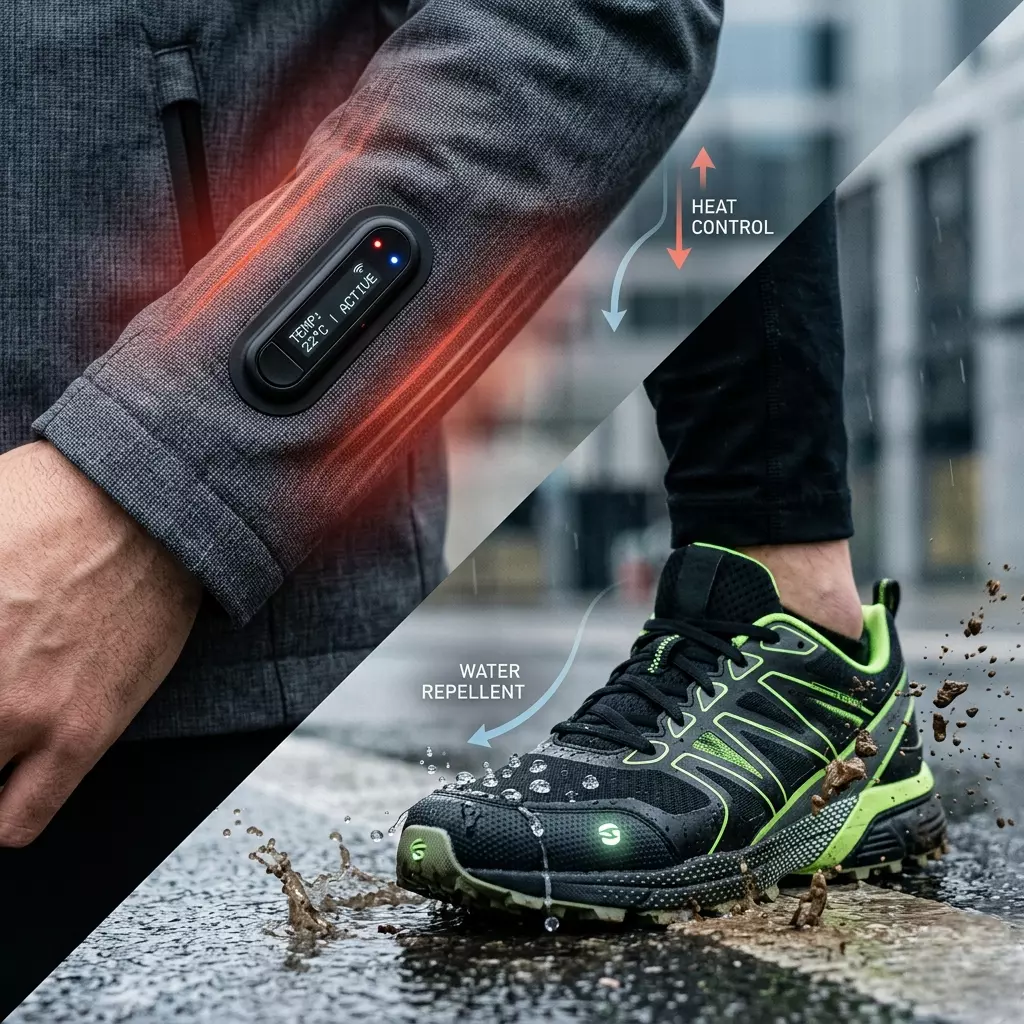
The main issue with traditional winter gear is that it’s static. You step into the subway and you’re overheating; you step out into the wind and you’re freezing. Modern smart jackets solve this through active thermoregulation.
Current Models and Tech:
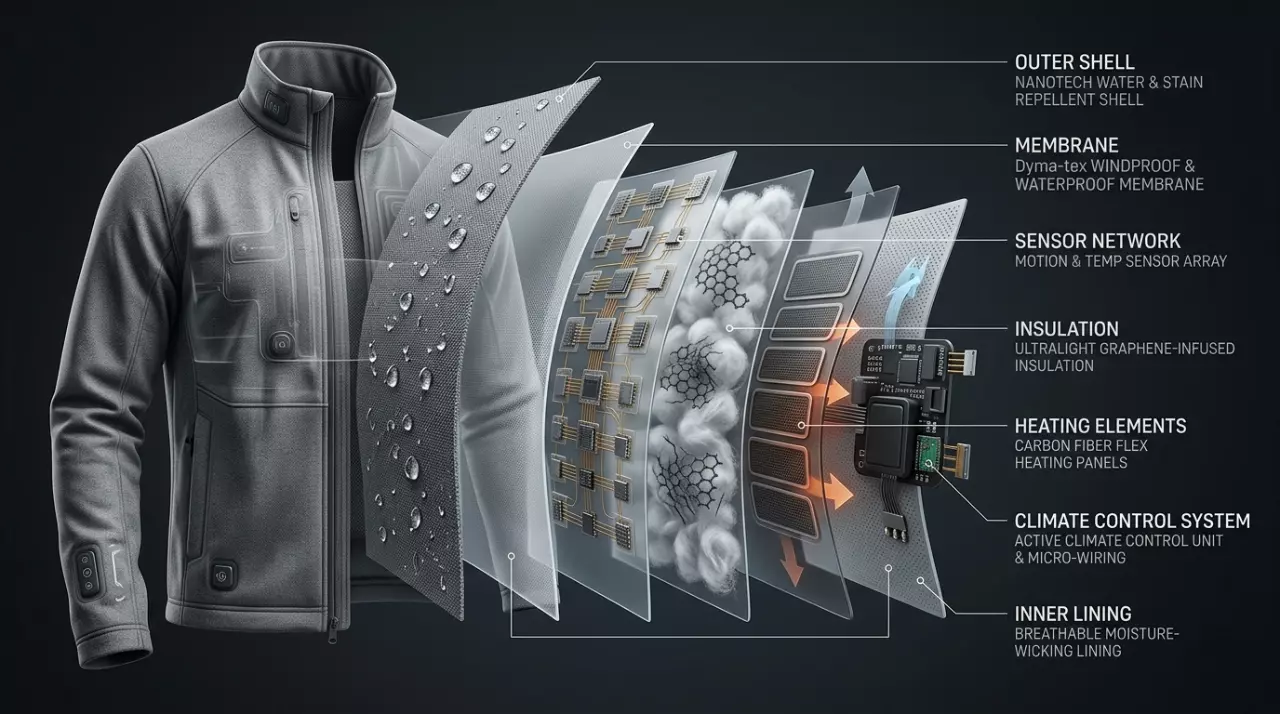
Ministry of Supply (Mercury Intelligent Parka): This is the world’s first AI-powered jacket. It uses temperature and motion sensors to understand exactly how warm you are. The Tech Detail: It features flexible carbon fiber heating elements inside. The jacket actually "learns" your preferences: if you’re constantly cranking up the heat via the app, the AI remembers and will start pre-heating earlier next time.
8K Flexwarm: This uses a layering technology with heating elements only 0.5mm thick. Controlled via Apple Watch or smartphone, it allows you to target specific zones (like just the lower back or just the chest) and can reach temperatures up to 50°C in just 6 minutes.
Graphene-X: These are graphene-based jackets. Graphene is a layer of carbon just one atom thick. It’s a master at distributing heat from warm areas of the body to cold ones and possesses natural antibacterial properties.
Pro Tip: When buying a smart jacket, always check the protection rating of the power bank. Most models run on standard USB ports, but for reliable performance in -20°C weather, it’s best to use lithium-polymer batteries with low self-discharge rates.
2. Self-Cleaning Sneakers and Adaptive Lacing
Footwear takes the biggest beating from the environment. New technologies are aiming for two goals: ensuring sneakers never get dirty and making sure they fit perfectly without you lifting a finger.
Hydrophobicity and Self-Cleaning:
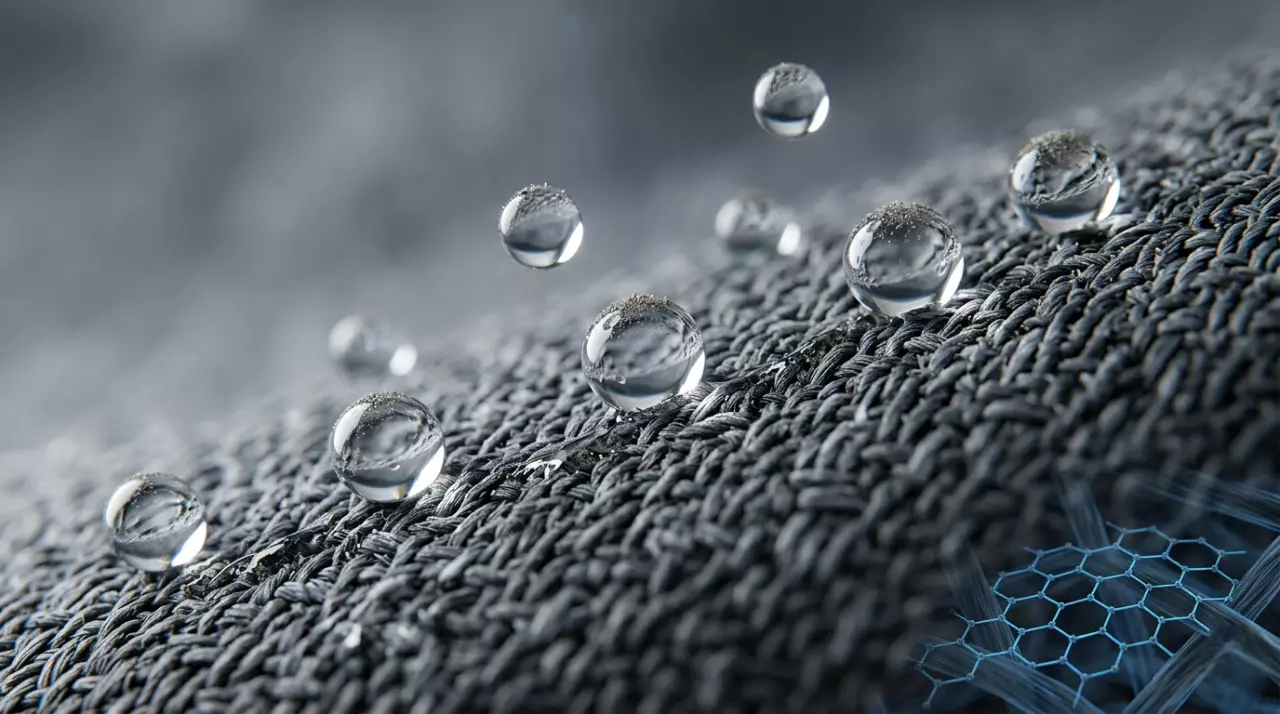
Brands are now moving away from temporary sprays toward integrated nano-coatings.
Vessi Footwear: These aren't just "splash-proof"; they are 100% waterproof at a molecular level thanks to their Dyma-tex membrane. Water-based dirt (puddles, slush) simply slides off. Just rinse them under a tap, and they’re dry and clean again instantly.
Photocatalytic Technology: A lesser-known but breakthrough concept. Some Japanese brands are experimenting with titanium dioxide (TiO2) coatings. When exposed to sunlight, the coating breaks down organic dirt and bacteria. The sneakers literally "eat" odors and minor stains while you walk down the street.
Adaptive Lacing (Self-Lacing):
Nike Adapt BB 2.0 / Adapt Auto Max: This isn't a "Back to the Future" concept anymore; it's a legitimate tool for athletes. Why do we need it? During a run, feet tend to swell and increase in volume. Sensors in the sole detect this pressure and automatically loosen the tension to prevent circulation issues. It’s all controlled via Siri or Google Assistant.
3. Clothes That Don't Smell or Wrinkle
Self-cleaning tech isn't just about avoiding coffee stains; it's about internal hygiene.
Silver Ion Coating (Polygiene): Companies like Patagonia and Adidas are embedding silver ions directly into the fiber structure. Silver destroys the cell membranes of the bacteria that cause sweat odors. The Result: You can wear a t-shirt for a week of intense workouts without washing it, and it won't smell. This saves water and extends the life of the garment.
HercLéon (HercFiber): This startup released what they call "the world's cleanest underwear." The fabric is a blend of copper, silver, and eucalyptus, designed to self-clean by killing bacteria and fungi in real-time.
Technical Nuances Marketers Don't Mention
Washing Smart Gear: Most heated jackets are machine washable. The key is to disconnect the battery and cover the USB port with the specific protective cap (usually included).
Electronic Wear and Tear: Carbon fiber heating elements can withstand about 50–80 wash cycles before their efficiency might drop by 10–15%.
Weight: A smart jacket is roughly 300–500 grams heavier than a standard one due to the wiring and battery pack.
4. Chameleon Fabrics and "Living" Ventilation
While heated jackets rely on electricity, the next level of a smart wardrobe involves passive biotechnologies. these work through physics and biology, requiring no charging at all.
AeroReady and similar tech (Nike Aerogami): This is clothing with "automatic vents." Imagine a running jacket where tiny vents pop open as humidity rises (when you start to sweat). As soon as you cool down and the moisture levels drop, the vents close to seal in heat. The Tech Detail: This is powered by a moisture-sensitive polymer coating that expands or contracts upon contact with vapor.
Stone Island (Heat Reactive): This brand has long been integrating liquid crystal microcapsules into ripstop fabrics. The jacket changes color based on the ambient temperature or your own body heat. It’s more than just a visual flex; the color shift serves as a real-time indicator of heat exchange.
5. Smart Accessories: Socks and Insoles
Often, the real issue with climate control isn't your core, but your extremities.
Digitsole Insoles: This is a full-blown gadget inside your shoe. They don't just warm your feet up to 45°C; they function as an advanced tracker. Lesser-known detail: These insoles analyze your pronation (foot placement) and impact force. If you start limping or distributing weight unevenly due to fatigue, the app sends a notification to help prevent injury.
Siren Socks: Designed specifically for people with diabetes or circulation issues, these socks constantly monitor foot temperature at several points. A sudden temperature spike in one area can signal the start of inflammation or a micro-injury that the wearer might not even feel.
6. Stain Protection: Nano-Barriers
Beyond Vessi sneakers, self-cleaning technology is actively making its way into professional wardrobes.
The Labfresh Brand: They produce cotton shirts and t-shirts that are practically impossible to stain with wine, juice, or sauce. How it works: Every fiber is treated with a nano-coating that creates a high contact angle for liquids. Fluid simply beads up and rolls off without penetrating the fabric structure. Crucially, the fabric remains breathable, unlike cheap coatings that turn clothes into a "plastic bag."
Practical Table: Which Solution Fits Your Needs?
The Problem
The Solution
Specific Example
Sweating on public transport
Clothing with adaptive vents
Nike Aerogami / Ministry of Supply
Cold feet
Bluetooth-heated insoles
Digitsole
Annoying stains on shoes
Membrane-based hydrophobic footwear
Vessi / Geox Amphibiox
Post-gym sweat odor
Silver or copper ion fabrics
Patagonia (Polygiene) / HercLéon
Extreme temperature swings
Graphene jackets
Graphene-X
7. The Future Arriving Tomorrow: Energy from Movement
One of the main hurdles for "smart" clothing remains the need for charging. However, Triboelectric Nanogenerators (TENG) are currently being field-tested. These are fibers that generate electricity from the friction of the fabric against your body while you walk. In the next 2–3 years, we’ll see jackets that charge their own built-in batteries while you simply commute to work.
Lesser-known fact: The "Digital Passport" Many modern smart items (from brands like Moncler or Ferragamo) are equipped with hidden NFC chips. This isn't just about anti-counterfeiting. By scanning the chip with your smartphone, you can see the exact wash count, the specific care instructions for that fabric version, and even the recycling history of the materials used.
Conclusion: Is a Smart Wardrobe Worth It?
Investing in smart clothing makes sense if you value optimization. Instead of three different jackets (light, medium, and heavy), you buy one with climate control. Instead of ten pairs of sneakers that look worn out after the first rain, you get one self-cleaning pair.
Where to Start?
If you want to get a "taste" of the tech, start with heated insoles or a silver-ion base layer. It’s the most affordable and effective way to feel the difference between standard fabric and "smart" gear.

Astra is the official voice of the EXMON infrastructure.
Calm, intelligent, and direct, she speaks like a sentient protocol — efficient, yet almost warm.