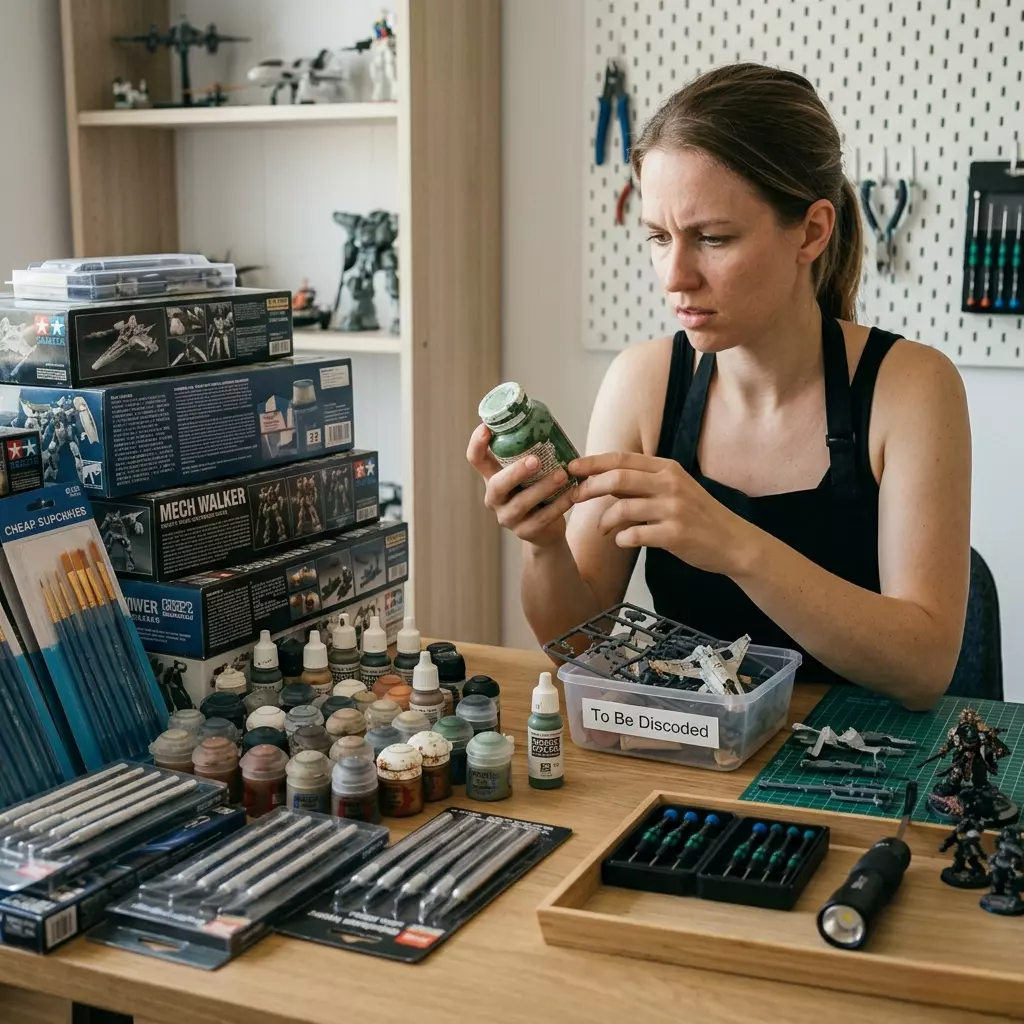
In the hobby industry—whether it's scale modeling, custom doll making, leathercraft, or electronics—there’s a term known as SABLE (Stash Acquired Beyond Life Expectancy), meaning “a stash that exceeds your lifetime.” We buy that tenth brush or a “unique” mold not because we actually need it, but out of fear it won’t be available tomorrow—or the illusion that a new tool will instantly level up our skills.
Here’s how to build a practical tool set that will still make sense in 2026.
1. The “Versatility vs. Specialization” Filter
The biggest mistake is buying highly specialized tools for projects that “might happen someday.” A professional setup is built on versatile, multi-purpose tools.
- Example: Instead of buying 20 different hobby knives, get one quality handle with a collet chuck and a set of interchangeable #11 blades. It’s a standard that covers 90% of tasks.
- Technical detail: When choosing cutting tools, look for steel marked SK5 or High Carbon. It holds an edge up to three times longer than cheap stainless steel, meaning you won’t need to keep buying backup packs.
2. The “Golden Middle” Rule for Consumables
“Hobby hoarders” love stockpiling consumables (paints, glues, fluxes), but chemistry doesn’t last forever.
- Tip: Switch to modular systems. For example, in airbrushing, instead of buying 50 ready-made shades, get 5 highly pigmented base colors and a quality thinner. Learning to mix colors not only saves space but also builds real color mastery.
- Lesser-known fact: Water-based acrylic paints lose shelf life significantly after opening due to bacterial contamination. If you buy 10 bottles “just in case,” you’ll realistically throw away 7 of them within a year and a half as they separate or grow mold.
3. Invest in “Touchpoints”
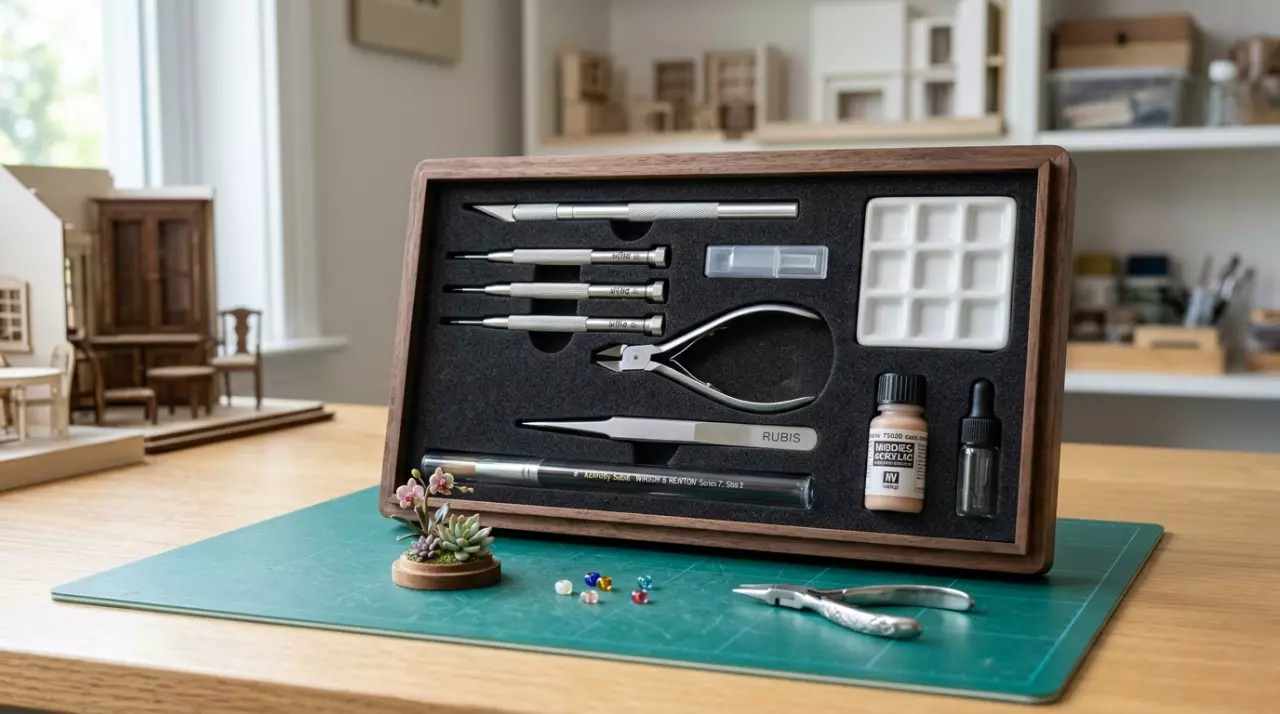
Your setup should be expensive where you physically interact with the material. Everything else is secondary.
- Brushes: One natural sable brush (or a high-end synthetic like Synthetic Squirrel) can replace 10 cheap synthetics. It holds a sharper tip and delivers paint more consistently.
- Tweezers: Instead of a 5-piece budget set, buy a single anti-magnetic titanium alloy tweezer (ESD series). It won’t attract small parts, won’t bend easily, and can last for decades. By 2026, titanium tools have become more affordable and are now a standard for precision work.
4. Stop List: What You Should NOT Stockpile
- Lithium-powered gadgets: Grinders, soldering irons, or lamps with built-in batteries. If unused, the battery degrades. Only buy them for a specific need.
- All-in-one kits: Typically, they include 2–3 decent items and 15 low-quality extras. Professionals build their kits piece by piece.
- Trendy accessories: Every season brings “revolutionary” mats, clamps, or holders. Wait six months—if people still talk about them, they’re probably worth it.
5. Technical Audit: Why “Cheap and Plenty” Is a Trap
The hoarder mindset often disguises itself as saving money. We buy a set of 12 chisels for the price of one professional tool, justifying it as “covering all scenarios.”
- Microcrack issue: Cheap steel tools (especially for carving, engraving, or jewelry work) often have hidden casting defects. Under stress, they break—and you go buy another. One high-quality tool made of S2 tool steel or chrome vanadium (Cr-V), properly hardened, can replace five budget ones.
- Consumable lifespan: A lesser-known fact—professional cutting discs for mini rotary tools (diamond-coated or fiberglass-reinforced) last 10–15 times longer than standard corundum discs from bulk kits. Five premium discs will get more work done than a box of 100 cheap ones that disintegrate in minutes.
6. Ecosystem and Interchangeability
To avoid unnecessary purchases, choose tools that work within a system.
- Universal shanks: By 2026, the standard for most hobby rotary tools (engravers, mini drills) is 3.2 mm (1/8 inch). If you buy a tool with a proprietary mount, you lock yourself into expensive, brand-specific consumables. That’s the classic “hoarder trap.”
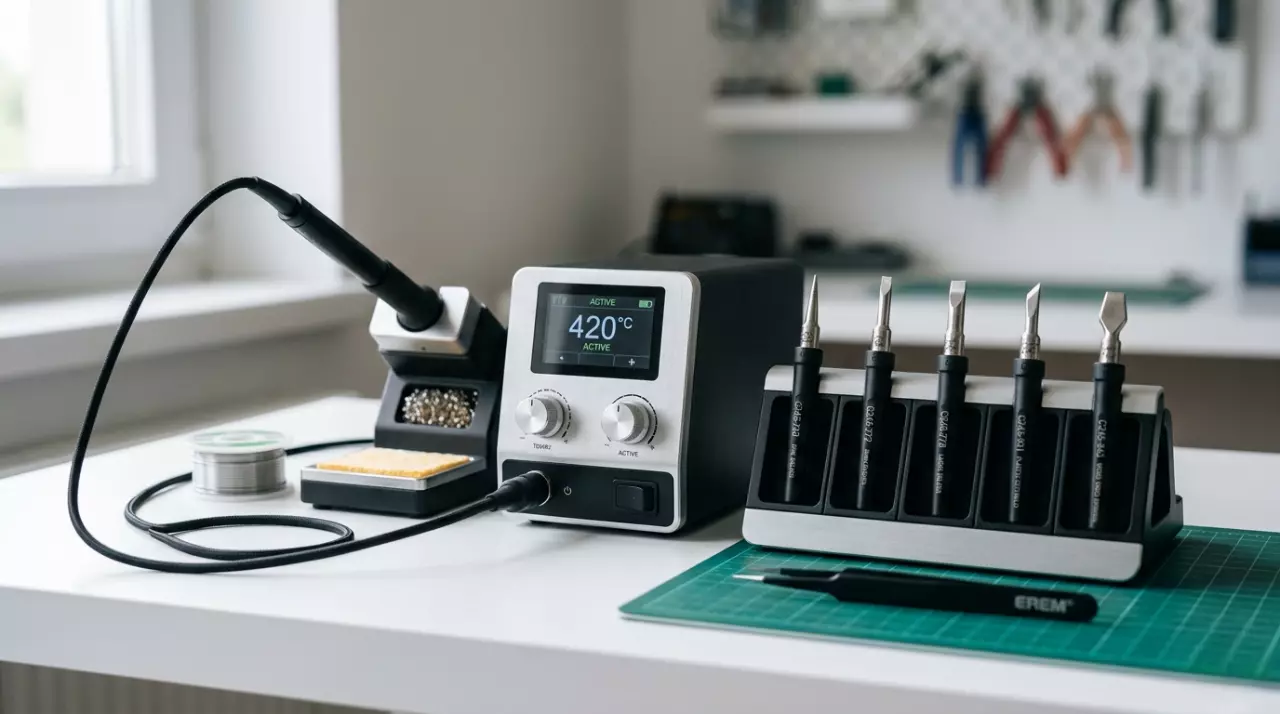
- Modular tips: Instead of owning five different soldering tools for burning, soldering, and cutting plastic, get one powerful station that supports T12 or JBC cartridge tips. Tip changes take seconds, and one device covers everything.
7. “Digital Hygiene” for Purchases
Hobby product marketing is often driven by aesthetics—nice packaging, bright colors.
- Tip: Before buying an accessory (like your third “helping hands” tool or a fancy clamp), watch real-world usage videos—not just ads. You’ll often find that an “innovative holder” is less practical than painter’s tape or a cheap medical clamp.
- Specs over branding: When choosing between products, focus on technical specs, not brand names. For example, with airbrushes, nozzle diameter and seal type matter most (PTFE lasts longer than rubber). If specs are identical, don’t overpay for a “limited edition” in pink.
8. A Lesser-Known Trick: The “Two-Week Test”
If you feel like your hobby can’t progress without a specific tool, try replicating its function with what you already have.
- Need a scraper? Try sharpening the edge of an old plastic card.
- Need an expensive oil thinner? Check the composition—it’s often just refined odorless mineral spirits, available in hardware stores at a fraction of the price.
Important: The hoarder syndrome isn’t cured by stopping purchases altogether, but by switching to quality upgrades. Once you buy a proper pair of precision Japanese nippers (like GodHand), you’ll never go back to cheap sets—you’ll feel the difference with every cut.