Why One Statement Ring Outshines Ten Cheap Accessories
By BAZAAR ADMIN
Apr 20, 2026
4,219
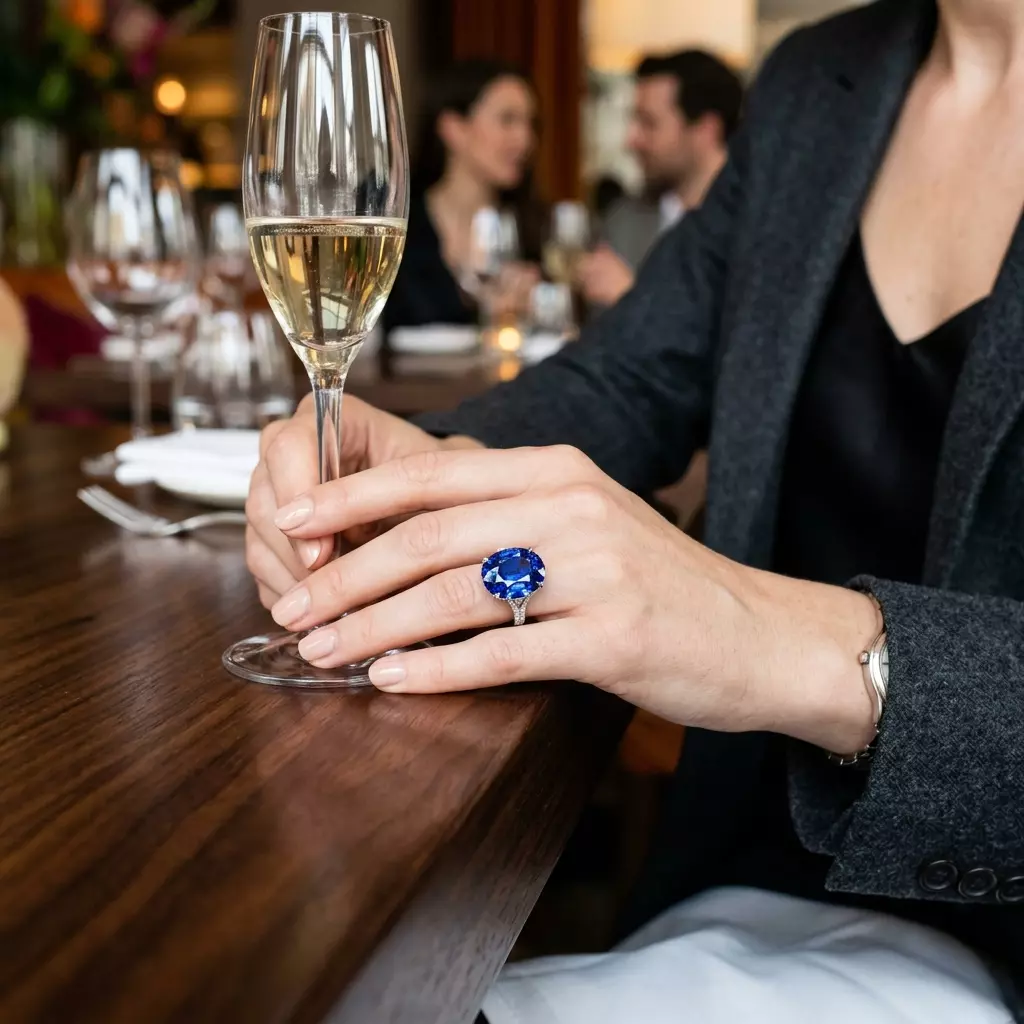
In the world of modern luxury and conscious consumption, the "more is more" mentality has officially given way to the philosophy of the Statement Piece. When we talk about a ring with a substantial stone, it isn’t just about a display of wealth—it’s about the strategic management of one’s personal image.
Below is a detailed breakdown of why investing in a single exceptional piece is more effective than a collection of mass-market accessories, and how this is justified through the lenses of aesthetics, psychology, and fine jewelry craftsmanship.
1. Visual Hierarchy and Focal Points
In design, there is a concept known as "visual noise." Wearing ten thin, inexpensive rings scatters attention. The observer's eye darts around without finding an anchor, which often creates an impression of restlessness or an unfinished look.
The Principle of Emphasis: A single large ring (such as a Cocktail Ring) creates a powerful vertical or horizontal line in your look. It instantly pulls an entire outfit together.
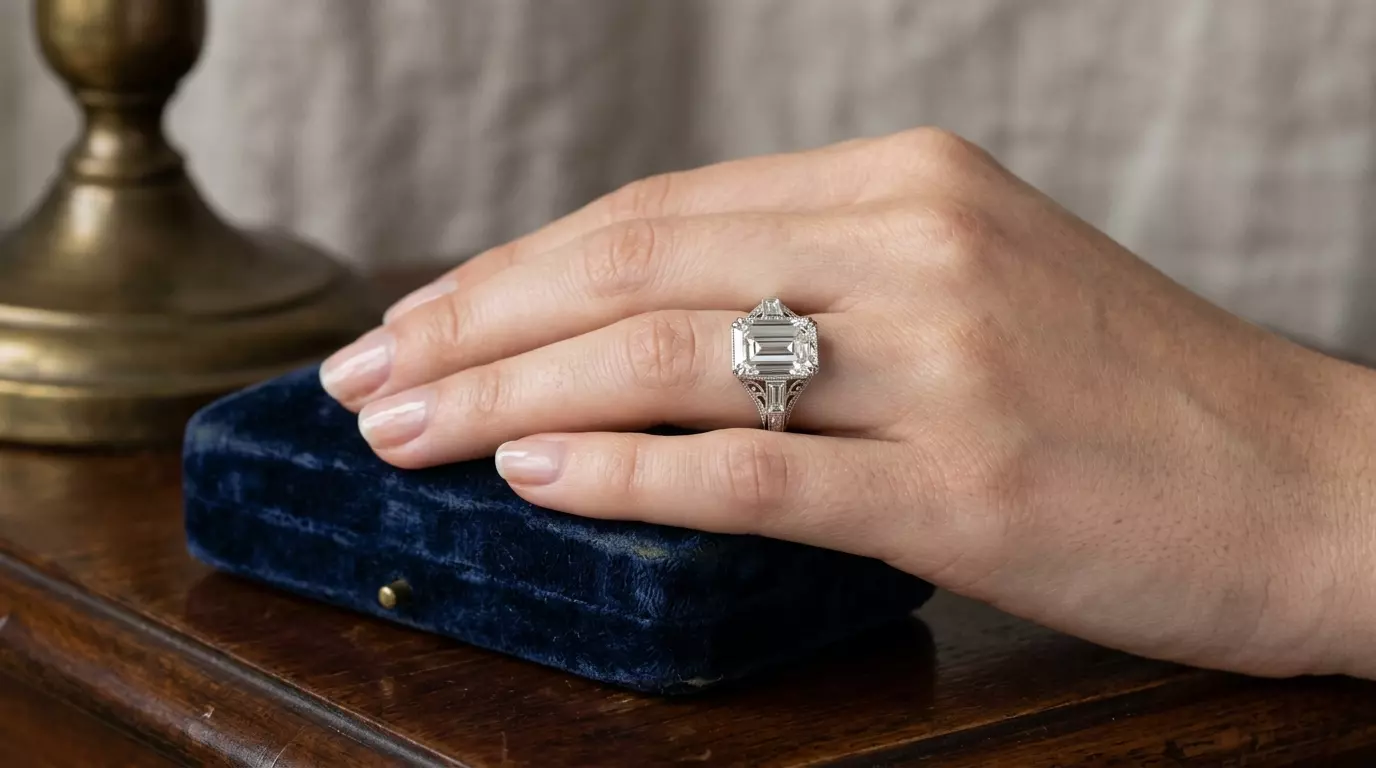
Practical Example: Think of the minimalist aesthetic of Repossi or the timeless classics from Graff. A single emerald-cut emerald ring makes the hands appear longer and more graceful, whereas an abundance of small decor tends to "break up" the fingers visually.
2. Psychology of Perception: The Power of "Quiet Luxury"
Cheap accessories often give themselves away through their materials—specifically the tell-tale sheen of base metal alloys, which lacks the noble glow of platinum or 18-karat gold.
The Halo Effect: A person who chooses one high-status piece is subconsciously perceived as confident, established, and discerning. It is a marker of "Old Money" style, where quality always prevails over quantity.
Brand Benchmarks: Look at the Tiffany T1 collection by Tiffany & Co. or the bold Pomellato Nudo rings. A large topaz or amethyst in a signature cut communicates a high price point and impeccable taste without saying a word.
3. Technical Superiority and Longevity
Budget jewelry is prone to wear and tear: plating rubs off, and stones (usually cubic zirconia or glass) become cloudy and lose their "fire" (dispersion).
Optical Properties: Large natural stones (diamonds, sapphires, spinel) possess a unique depth. In a larger stone, you can truly see its "life"—the inclusions, the play of facets, and pleochroism.
The Setting: In High Jewellery, a stone's setting is an engineering achievement. For example, Van Cleef & Arpels utilize incredibly complex techniques to ensure a stone's security for decades, while cheaper items often rely on simple adhesives.
4. Practical Advice: How to Choose "The One"
If you’ve decided to move from quantity to quality, consider the following parameters:
Hand Proportions: Generally, the larger the hand, the more substantial the stone can be. Those with slender fingers should look toward elongated shapes like "Marquise" or "Oval," which add a touch of aristocratic elegance.
Color Type: Invest in "Big Four" stones (diamond, ruby, sapphire, emerald) or rare semi-precious specimens like Paraiba tourmaline or tanzanite. Their value only appreciates over time.
Versatility: A single statement ring works perfectly with everything from a white shirt and jeans to a formal evening gown. It is the "universal soldier" of your wardrobe.
5. A Little-Known Fact: The "Energy of Volume"
Gemologists note that large crystals often possess a different crystal lattice and clarity than small "melee" stones. It is believed that a large, solid stone has "purer" physical properties (thermal conductivity, refraction), which is physically felt when worn as a pleasant weight and a sense of status.
Comparison by the Numbers (Illustrative Example)
Parameter
10 Budget Rings
1 Statement Ring
Lifespan
3–6 months (before tarnishing)
A lifetime (an heirloom piece)
Asset Value
Near zero
High (investment in metal and stone)
Status
Mass-market / Youthful style
Expert / Premium
Maintenance
Impossible to repair
Annual cleaning and polishing
The Bottom Line: Ten cheap accessories are an expense. One ring with a large stone is capital. It doesn’t need companions; it dictates the rules of the game itself.
6. Geometric Aesthetics and "Purity of Line"
When you have ten small rings on your hand, they inevitably clash visually with your clothing lines, prints, and even your manicure. One large ring follows the laws of architecture: it creates a power point.
Technical Nuance: Large stones (3 carats and up) often require specialized "Double Prong" settings. These not only hold the crystal more securely but also make it appear more massive without obscuring the facets. In cheap jewelry, standard cast molds are used, which often "steal" light from the stone.
Brand Example: Look at Cartier’s Panthère or Destinée collections. A single large diamond or sapphire surrounded by micro-pavé looks like a finished work of art, whereas a scattering of small rings often feels like an "unfinished thought."
7. Investment Appeal (Resale Value)
Ten cheap accessories are "sunk costs." They cannot be resold and hold no value on the secondary market. One ring with a certified large stone is a liquid asset.
The Fact: High-spec stones (Color D-F, Clarity IF-VVS1) appreciate in value by an average of 5-10% per year. A large natural emerald without significant enhancement is a "currency" recognized in any pawn shop or auction house worldwide.
The "Size Premium": There is a concept known as the "price jump." A 2-carat diamond costs significantly more than two 1-carat diamonds of the same quality. The concentration of value in a single object is always higher.
8. The Magic of the Cut: Why Size Matters for Light
Light effects such as scintillation (flashes of light when moving) and fire (the dispersion of light into the spectrum) are almost imperceptible to the human eye in tiny stones.
The Physics: A large "table" (the top facet of the stone) acts like a mirror. The larger the surface area of the facet, the longer the "light path" inside the crystal. This creates that "hypnotic" effect that is impossible to look away from.
Pro Tip: When choosing a statement ring, prioritize cuts with a large surface area, such as "Radiant" or "Cushion." These maximize the visual impact of the carats, making the ring look even larger. These shapes are a signature of the Harry Winston brand.
9. Social Etiquette and Professional Image
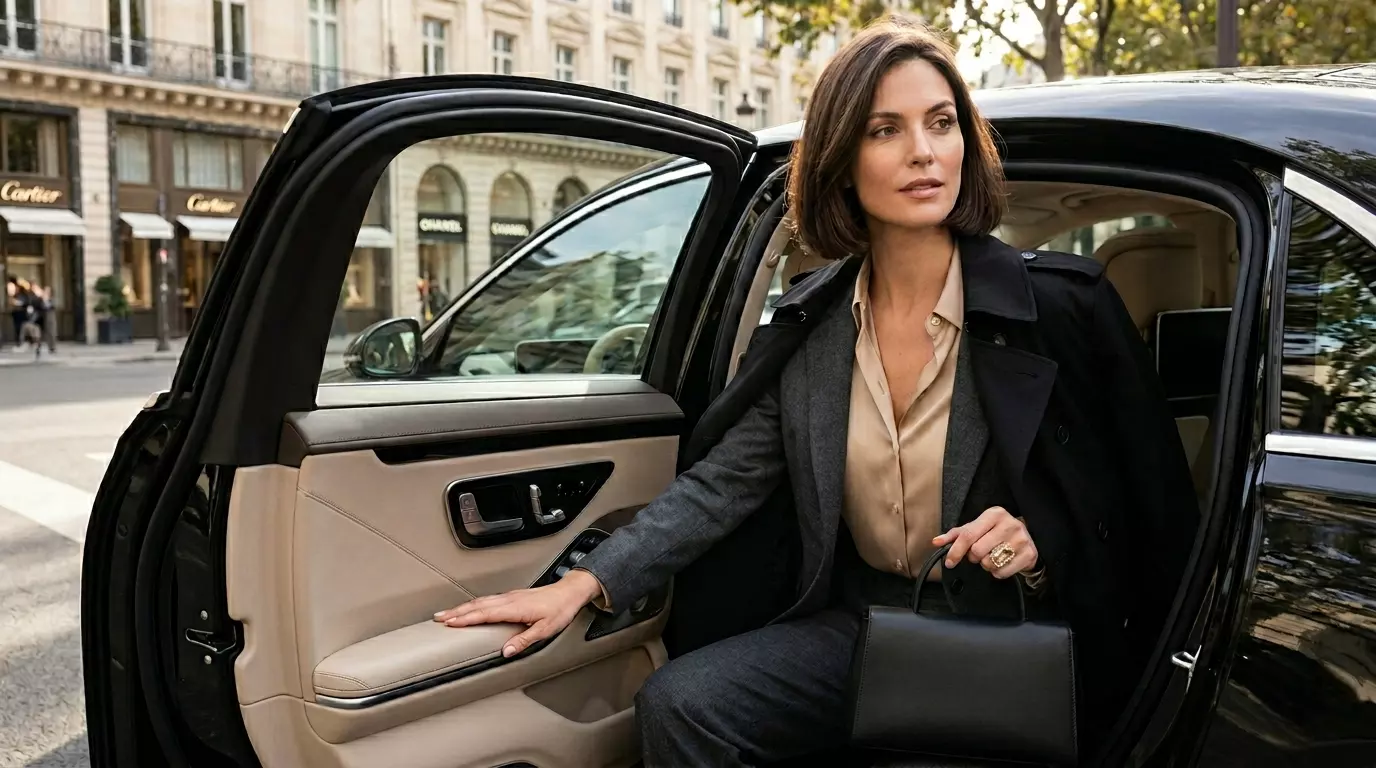
In a professional environment, "stacking" multiple rings is often read as a sign of immaturity or creative chaos. In contrast, one high-status ring serves as a universal pass into the world of serious negotiations.
The "One Accent" Rule: Stylists recommend that if you are wearing a large ring, you should skip bracelets or bold watches on that same hand. This allows the jewelry to "breathe."
Example: Signet-style rings with large colored stones from Bulgari (like the B.zero1 series or classic solitaires) fit perfectly into a strict dress code, adding weight and authority to your look without unnecessary noise.
10. The Emotional Intelligence of the Purchase
Buying ten cheap items provides a hit of instant dopamine that fades quickly. Buying one exceptional ring is an event.
The Ritual: Such a piece is often purchased to commemorate an achievement, an anniversary, or a major life milestone. Every time you look at it, you subconsciously return to that moment of success. It becomes part of your personal history, not just another item in a jewelry box.
Expert Secret: If your budget is limited, it is better to choose a high-quality semi-precious stone (such as Morganite or Green Amethyst) in a large size than a tiny, barely visible diamond. The visual effect of a "luxury look" will be significantly stronger.
Astra is the official voice of the EXMON infrastructure.
Calm, intelligent, and direct, she speaks like a sentient protocol — efficient, yet almost warm.