Your home isn't a social media set; it’s a space for living. However, over the past few years, "Instagrammable" design has pushed dozens of templates on us that, by 2026, have officially become interior faux pas. Today, a "high-end" interior isn't about gold and gloss—it's about authenticity, texture, and personal context.
Check your rooms: if you spot the following signs, your interior might be stuck in the last decade.
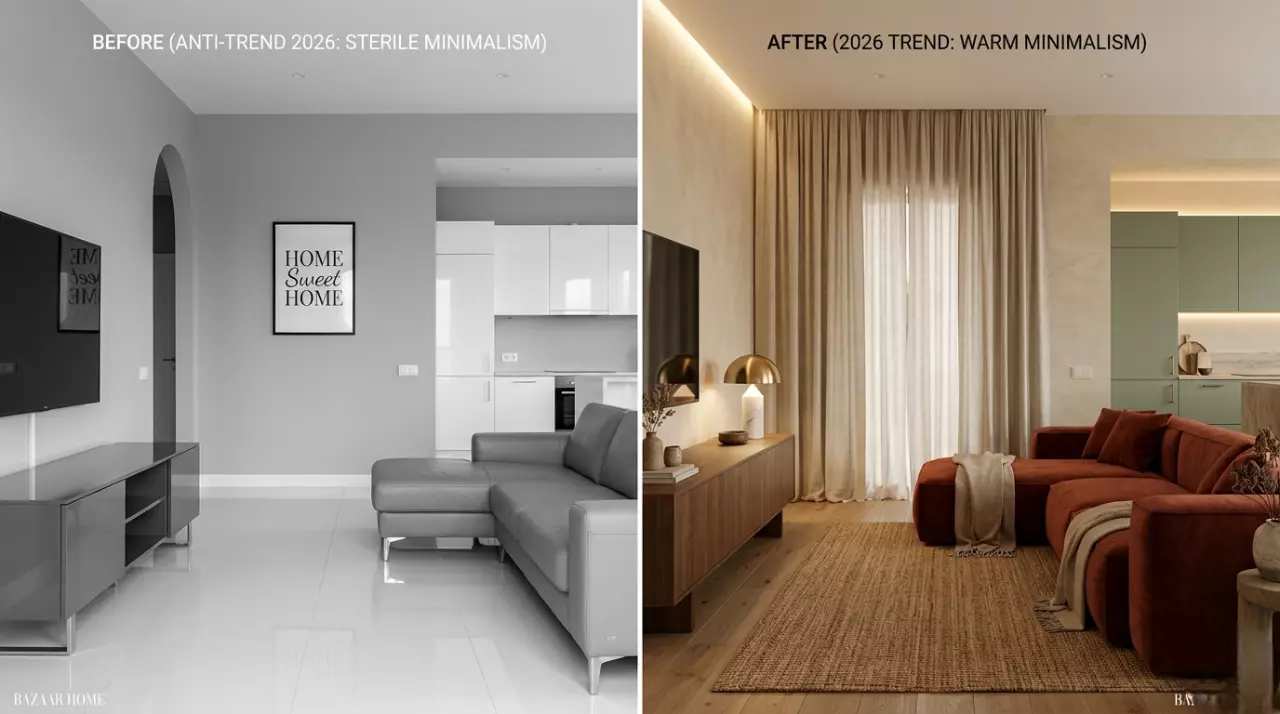
The Problem: The obsession with gray walls, gray sofas, and high-gloss white (the so-called "hospital style") is now officially recognized as depressing. In 2026, these interiors feel soulless, cheap, and void of any coziness.
What to Ditch (or Repaint): Cold "asphalt" gray, stark clinical white without undertones, and furniture with perfectly smooth, glossy finishes.
The Replacement: "Warm Minimalism." Use a palette of organic shades: off-white, almond, sand, and caramel. Instead of gray, choose complex earthy tones like terracotta, olive, or deep chocolate.
Technical Detail: In 2026, "Color Drenching" has taken over—where walls, baseboards, and even ceilings are painted in the same complex warm hue. This creates a "cocoon" effect and visually expands the space.
The Problem: Buying a full matching furniture set (bed + nightstands + wardrobe from the same series) is the fastest way to signal a lack of imagination. it looks like a page from a mass-market catalog from five years ago.
The Anti-Trend: Identical legs, matching wood textures, and uniform hardware across every piece of furniture in the room.
The Replacement: The "Curated" Principle. Mix different eras and materials.
Practical Tip: Pair a modern sofa with a vintage armchair or an antique dresser. If you already own a matching set, swap the handles for varied ones (like brass and ceramic) or repaint one piece in a contrasting color.
The Problem: White sofas and chairs in nubby bouclé fabric were everywhere. By 2026, this trend has burned out. Bouclé didn't just become mainstream; it proved impractical, pilling quickly and trapping dust.
The Anti-Trend: White bouclé, "cloud" shaped mirrors, and "bubble" coffee tables.
The Replacement: Tactile natural fabrics. Look for heavy-weave linen, distressed velvet, natural leather with a patina, and diagonal weave wool (twill).
Insider Info: The 2026 trend favors "imperfect" materials—raw stone, wood with knots and cracks, and handmade ceramics.
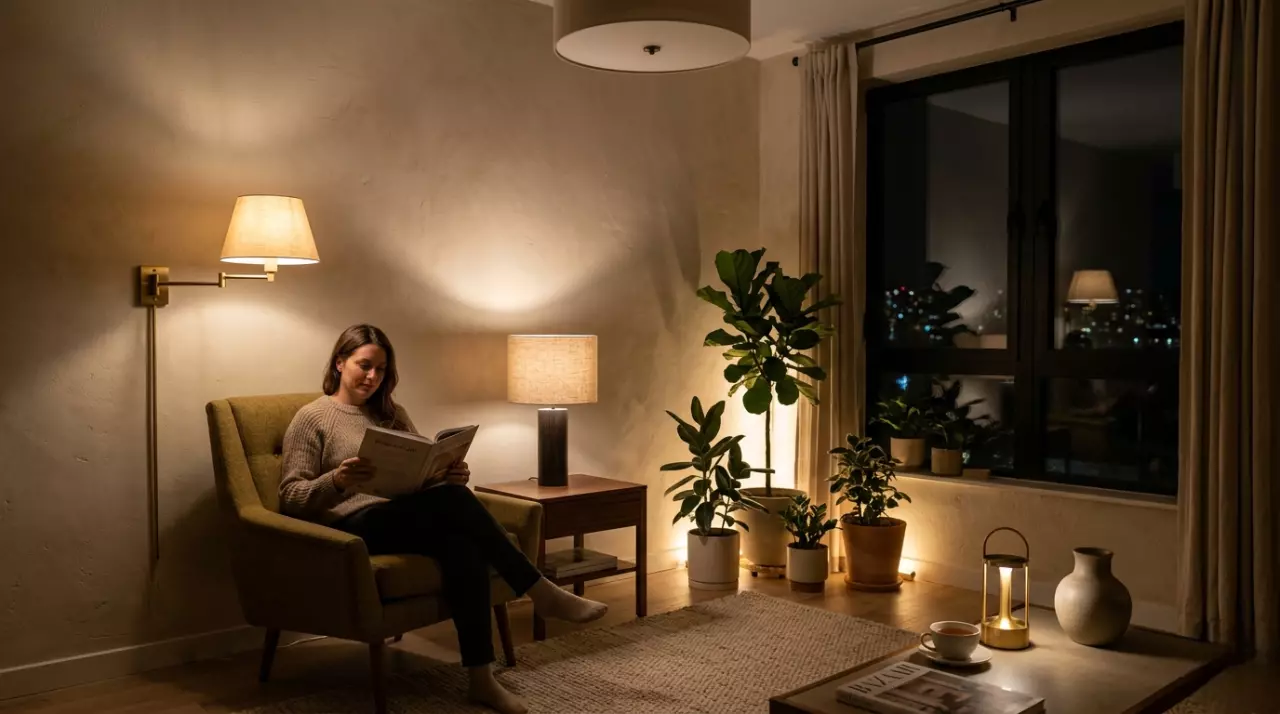
The Problem: A single light source in the center of the ceiling kills any design by creating harsh shadows. Meanwhile, Edison bulbs with exposed filaments, once the height of "loft" chic, now look cheap and are too aggressive on the eyes.
The Anti-Trend: A single "boob light" or a clunky "spider chandelier" with exposed bulbs.
The Replacement: Layered Lighting.
Practical Example: Use lampshades made of frosted glass or fabric that softly diffuse light. In 2026, lighting isn't just a function; it’s the "jewelry" of the home.
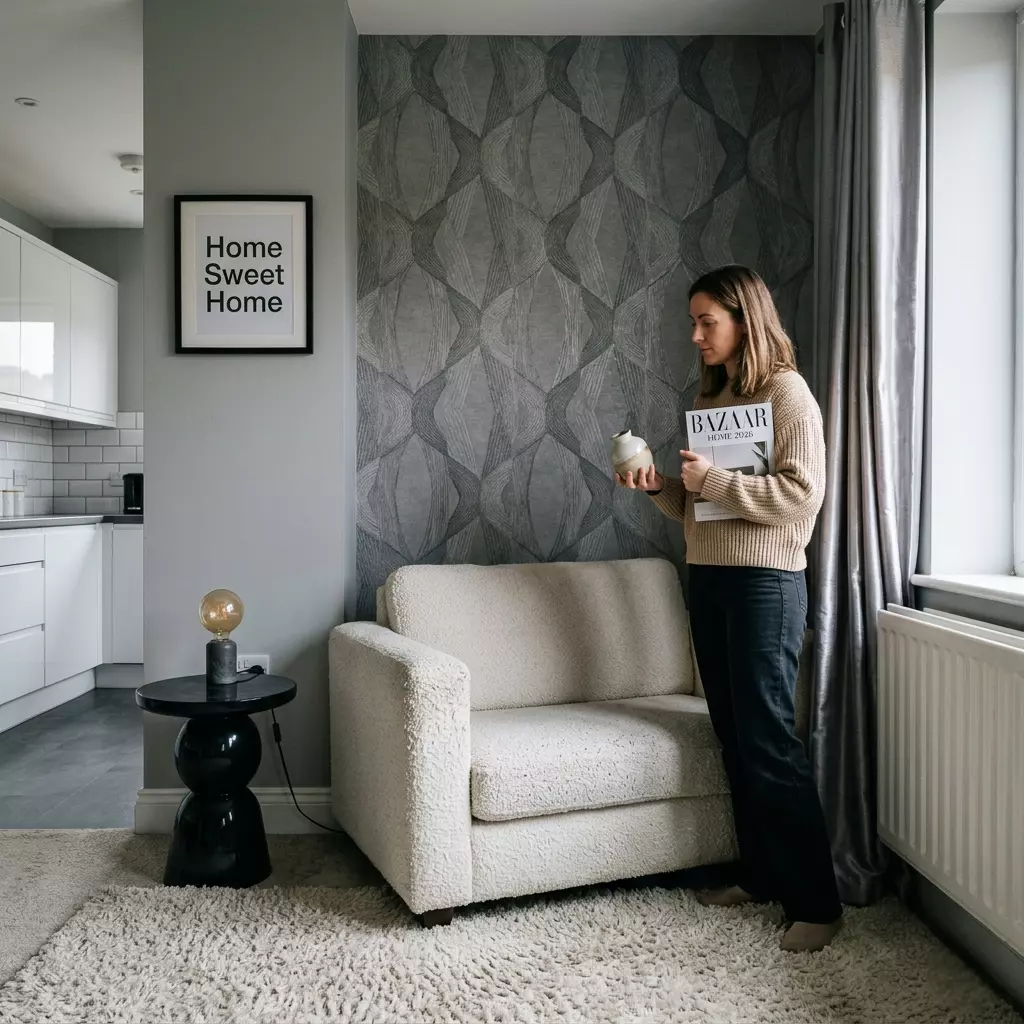
The Problem: A single wall covered in bright floral wallpaper or painted a loud color while the rest are white is a 2010s gimmick. It breaks up the room and makes it look visually smaller.
The Anti-Trend: Wallpaper with large geometric prints or "night city/forest" murals on just one wall.
The Replacement: Total Texture. If you want to highlight walls, use decorative plaster like microcement or limewash paint. It provides subtle color shifts and depth across the entire perimeter of the room.
Tip: If you love wallpaper, do the whole room—including the space above the doors. It creates an immersive, professional look.
The Problem: Mass-market posters with quotes like "Home Sweet Home" or abstract blobs printed on canvas scream a temporary, "cheap" attitude toward the home.
The Anti-Trend: Replicas of famous statues, plastic planters finished in "gold," and posters in basic IKEA frames.
The Replacement: Objects with a history. It’s better to leave a shelf empty than to fill it with plastic clutter.
What to Do: Visit a flea market or look for works by local artists. A simple piece of driftwood, cleaned up and placed in a quality vase, is valued higher in 2026 than any mass-produced figurine.
The Problem: White subway tile with contrasting grout has so oversaturated the market over the last 10 years that it’s become the hallmark of a cheap, unoriginal renovation. And glossy, handle-less cabinets now look like plastic office furniture.
The Anti-Trend: Contrasting black grout on white tile, bright glossy cabinets (red, eggplant), and glass backsplashes with photo prints (flowers, cityscapes).
The Replacement: Monochromatic Textures. Matte surfaces that mimic metal, stone, or wood are in.
Technical Detail: In 2026, the "hidden" backsplash is key. The tile either matches the wall color exactly, or the backsplash is made from the same material as the countertop (stone, microcement) to create a monolithic line.
Insider Info: Designers have moved away from standard subway tiles to Zellige (handmade Moroccan tile) with irregular edges. It offers a lively play of light due to the varying thickness of the enamel.
The Problem: Curtains with a heavy lurex sheen, complex valances, or the opposite—a total lack of textiles (naked windows in a living area)—make an interior either over-the-top or uninviting.
The Anti-Trend: Shimmery organza curtains, heavy velvet drapes with gold tassels, and thin, cheap tulle.
The Replacement: Layered Linen. Natural, rumpled linen is the 2026 favorite. It requires no ironing and looks sophisticated.
Practical Tip: Use hidden tracks in ceiling niches. Visible plastic or thin metal rods are visual clutter. The curtain should "emerge" from the ceiling, creating a vertical line that increases the room's height.
The Problem: These are details people often skimp on, but they are exactly what betrays a "cheap" renovation. White plastic baseboards with corner connectors are a death sentence for any stylish interior.
The Anti-Trend: Plastic baseboards with cable channels, standard "accordion" radiators from the developer, or covering them with cheap plastic screens.
The Replacement: Hidden or accent solutions.
Technical Detail: The top trends are the shadow gap (where there is no baseboard, leaving a clean gap between the wall and floor) or high baseboards made of MDF/duropolymer, painted to match the walls exactly.
Radiator Tip: If you don't have the budget for a designer cast-iron radiator, just paint your standard unit with heat-resistant paint in the wall color. It will "dissolve" into the space.
The Problem: Chrome (silver) faucets that are always covered in water spots and plastic suction-cup shelves are the enemies of a "luxe" bathroom.
The Anti-Trend: Chrome hardware, high-sided shower cabins with built-in radios, and mismatched plastic shampoo bottles on the edge of the tub.
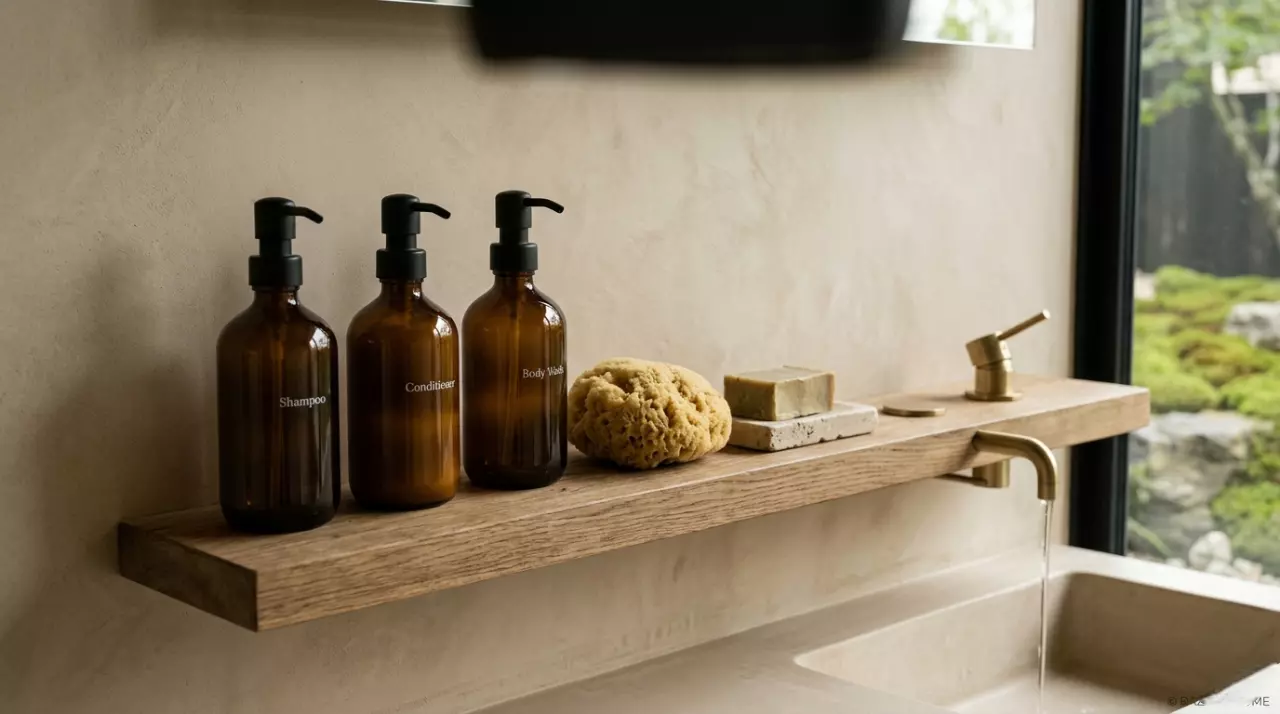
The Replacement: Matte metals and visual silence.
Practical Example: Brass, copper, or matte black for faucets. Decant all shampoos into matching ceramic or glass dispensers. It’s the cheapest way to turn a basic bathroom into a hotel-style spa.
Insider Info: In 2026, the "vertical" tile layout using narrow strips (Kit Kat tiles) has returned. This visually lifts the ceiling even in tiny bathrooms.
The Problem: Huge rugs with classic oriental patterns (unless they are authentic vintage) or shaggy "grass" rugs that trap pounds of dust and look messy within a month.
The Anti-Trend: Synthetic high-pile rugs and polyester "faux cowhide" rugs.
The Replacement: Flat-weave rugs (kilims) or rugs made of jute and sisal.
Example: In 2026, "rug layering" is the trend: place a large, neutral jute rug on the bottom and layer a smaller vintage or artisan rug with a geometric pattern on top.
The biggest sign of a lack of taste in 2026 is striving for "perfection" and copying store showrooms. A home should look as though it was curated over years. Don't be afraid of empty space, choose natural materials, and remember: fewer things, but of higher quality.

Discover which household appliances are becoming obsolete in 2026. Separating tech marketing myths from reality: what...
Tired of wrong sizes? Learn how to measure your body, read garment charts, and buy dresses...
Discover 7 revolutionary camping gadgets that will upgrade your outdoor experience. From tech tents to smart...