
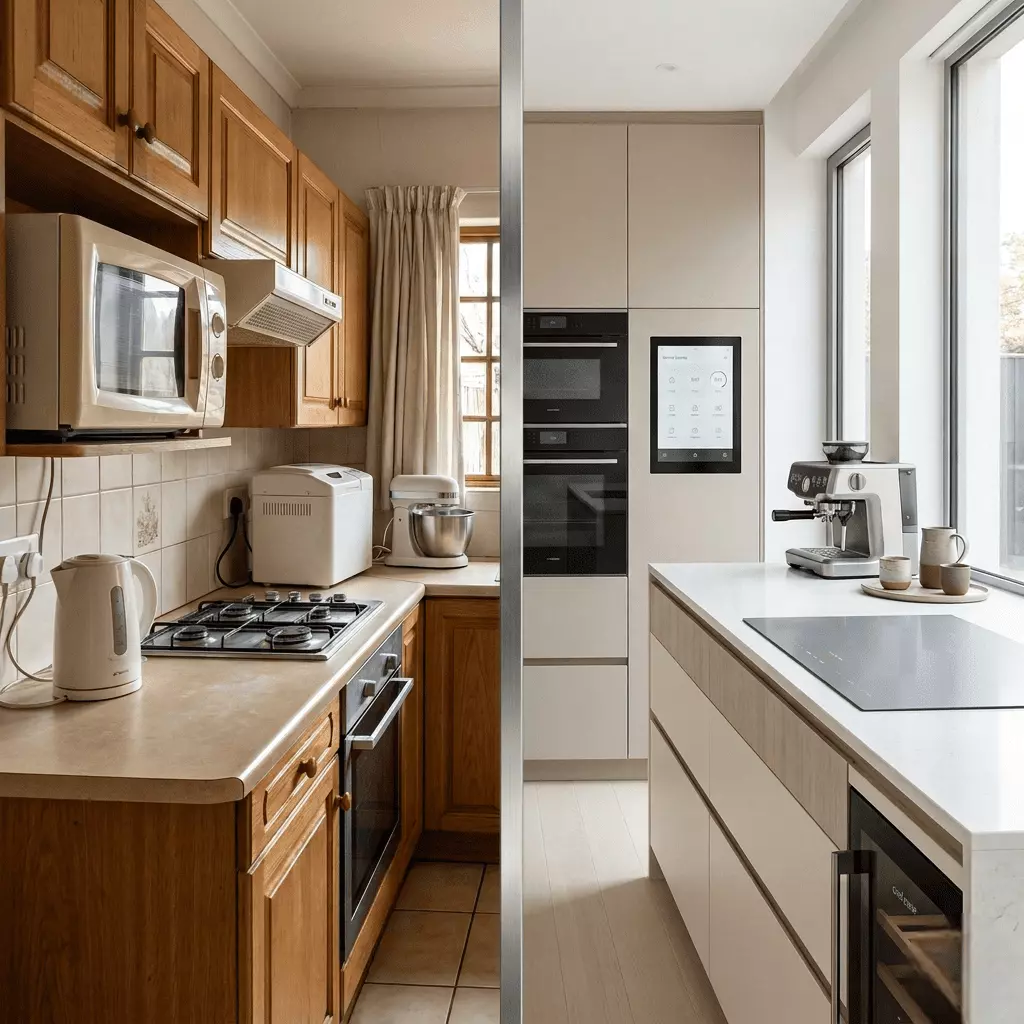
Every year, tech manufacturers assure us that our trusty old home appliances belong in the dustbin of history. We are constantly barraged with concepts like "invisible living," artificial intelligence, and total autonomy. But let's be honest: half of these claims are just clever marketing ploys designed to get us to buy yet another shiny new gadget.
That being said, a genuine tectonic shift is underway in the industry. Some familiar devices are currently transforming beyond recognition, while others are giving way to much more efficient ecosystems.
Take a look around your home: which gadgets are truly living out their final years in their classic form, and where are marketers simply selling us wishful thinking?
The floor care market is experiencing a massive divide. The old mindset of "buying a cheap robot vacuum just to help out around the house" has completely discredited itself.
What's on the way out: Cheap, navigation-free robots that blindly bump into baseboards and require you to manually empty their dustbins after every single run are rapidly losing relevance. They have turned into gadgets that take more time to maintain than they do to actually clean.
The real trend: A shift toward fully automated core cleaning. Flagships like the Roborock S8 MaxV Ultra or the latest Dreame lineups handle the entire routine thanks to base stations that hook up directly to your water supply and drainage system. They automatically drain dirty water, wash their own mopping pads with 60°C hot water, and dry them.
The catch advertising leaves out: True 100% autonomy doesn't exist. Even with the most expensive robot, you will still need to clear tangled hair from the brushes and wipe down the optical sensors every couple of weeks.
What about corded vacuums? For deep cleaning and thick carpets, a powerful corded vacuum remains irreplaceable. However, in apartments with hard floors, they are being overwhelmingly replaced by ultra-lightweight cordless stick models (like the Dyson V15 or Shark Stratos) that automatically adjust suction power based on the amount of dust detected.
The classic microwave, capable of little more than unevenly reheating yesterday's leftovers, is officially losing the war for precious kitchen countertop space. It is being replaced by multi-functional, high-speed combination appliances.
Technical detail: The modern standard for premium kitchens is a synergy of three technologies packed into one compact body: inverter microwaves for fast internal heating, traditional convection, and an infrared grill.
What's taking over: Ultra-high-speed ovens (such as the Sharp Celerity High-Speed Oven) and multi-functional wall ovens from the Signature Kitchen Suite (SKS), which even feature integrated water reservoirs for sous-vide cooking.
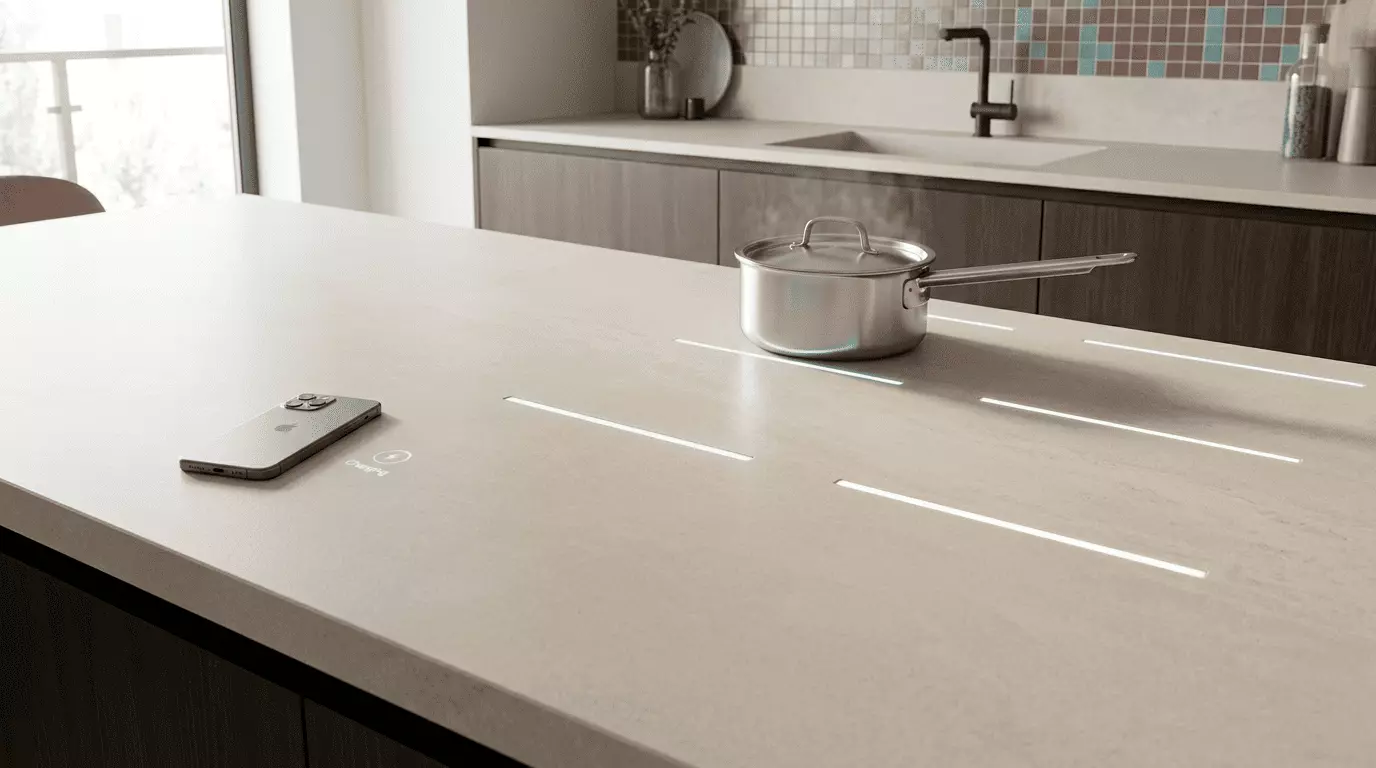
What about cooktops? The era of open flames in the kitchen is winding down due to safety and environmental concerns. The latest induction cooktops from KitchenAid and Thomson have eliminated the old flaw of pulsing heat and now come equipped with heavy, tactile analog knobs for those who love a classic feel. On top of that, we are seeing the rise of invisible induction cooktops installed directly beneath porcelain countertops—when idle, it's just a clean, seamless surface that can even wirelessly charge your phone.
The traditional plastic or metal kettle, sitting lonely in a corner of the kitchen to boil water, is gradually stepping aside for concealed filtration systems and instant water dispensers.
The logic behind it: Why wait 5 minutes for two liters of water to boil when you only need a single cup?
The alternative: Built-in water stations like the Kohler Aquifer 4-in-1 or modular units from Elkay. From a single, elegant kitchen faucet, you instantly get filtered ice water, rolling boiling water for tea or cooking, and sparkling water with adjustable carbonation levels. This eliminates visual clutter and frees up valuable workspace.
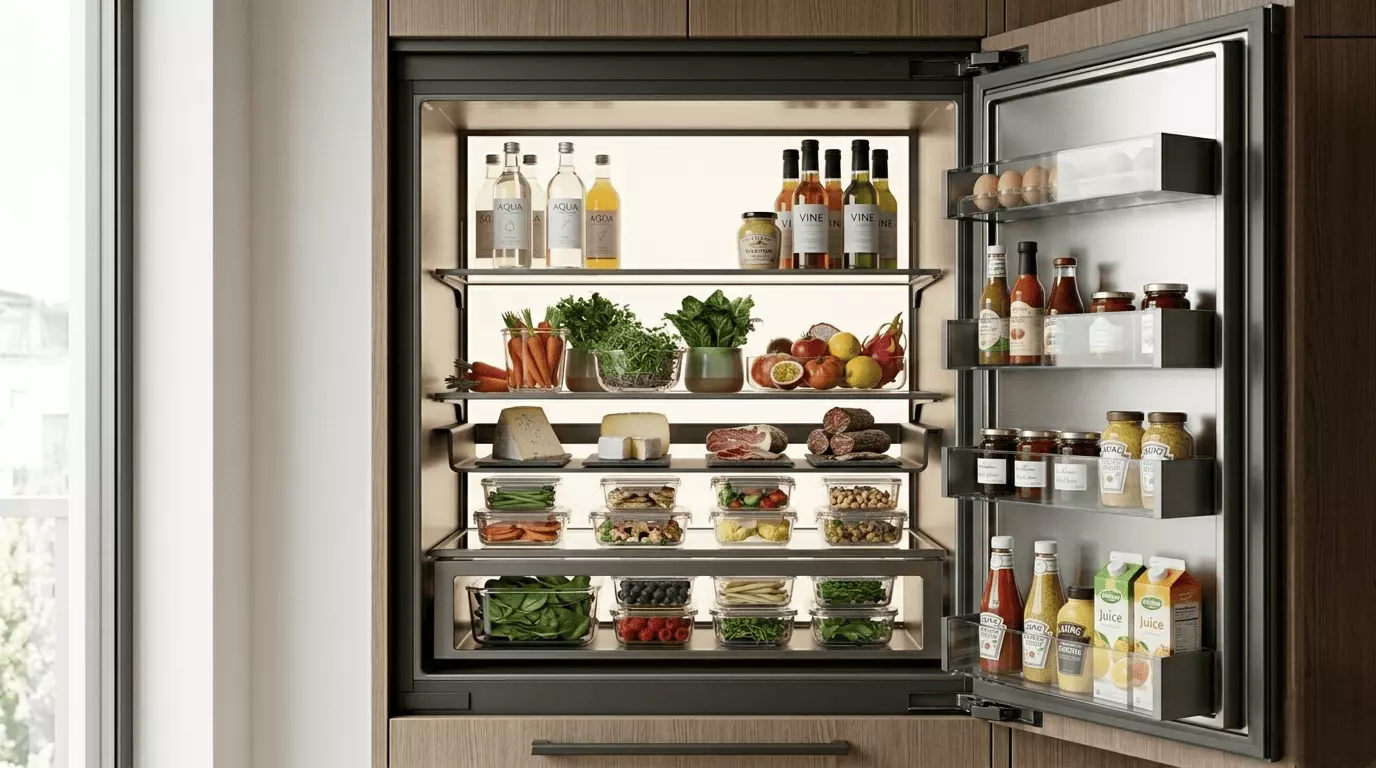
Standard, deep refrigerators—where jars of sauce vanish into the dark abyss of the back shelves for years—are being replaced by smart cabinets featuring total customization.
+-------------------------------------------------------------+
|                REFRIGERATION EVOLUTION (TRENDS)             |
+-------------------------------------------------------------+
| OUTDATED APPROACH:             | MODERN APPROACH:           |
| • Bulky standalone box         | • Fully integrated cabinet |
| • Static, dark shelves         | • LED Wall lighting        |
| • Forgotten, spoiled food      | • Cameras & freshness care |
+-------------------------------------------------------------+
Engineering solutions: Brands like GE (in their Side-by-Side lineup) and SKS have solved the "dark corners" problem by introducing back walls made entirely of LED matrices, alongside lighting integrated directly into adjustable shelves.
AI in the kitchen: Top-tier GE Profile models come equipped with internal cameras and AI scanners: the refrigerator recognizes your groceries, alerts your smartphone about upcoming expiration dates, and helps put together your shopping list.
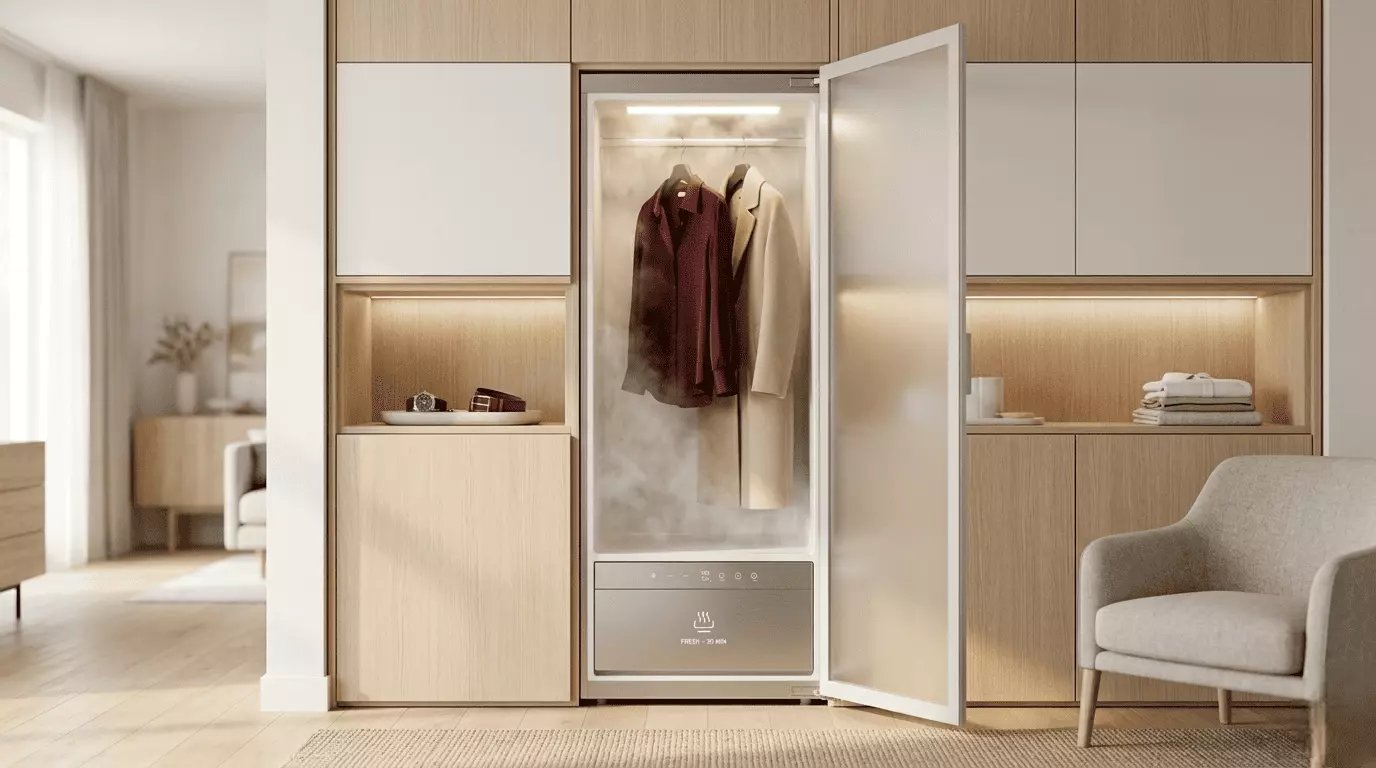
Marketers are aggressively pushing steam closets (clothing care systems) like the LG Styler or Samsung AirDresser as "iron killers." But let's bring it back to reality.
An honest look: A steam closet is an incredible addition to an iron, not a replacement for it. It is perfect for delicate fabrics (silk, cashmere), refreshing suits and coats, and removing odors after a night out at a restaurant.
Why the iron isn't going anywhere: If you need to perfectly crisp up a bone-dry linen shirt, heavy cotton, or press sharp creases into trousers, a vertical steaming system or a classic, heavy steam generator iron is still completely unmatched.
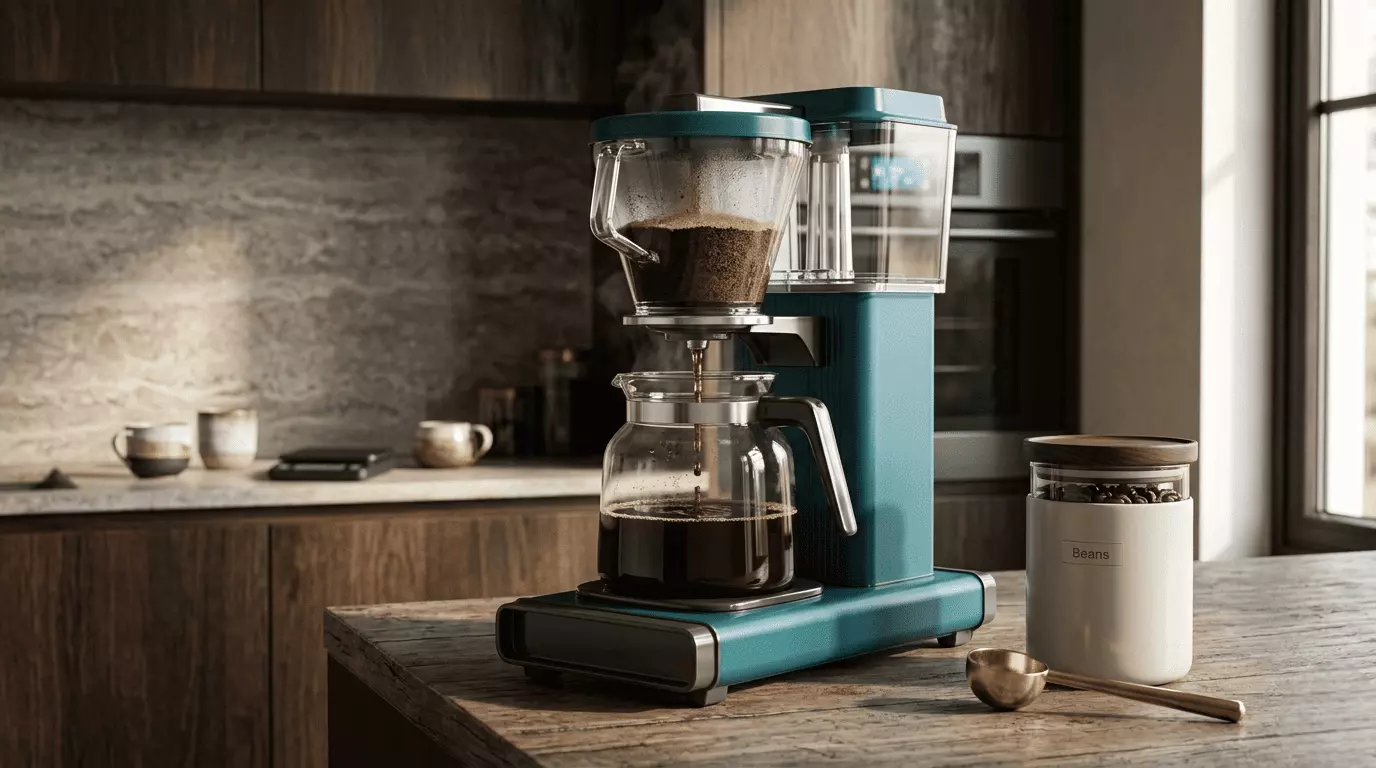
Another misconception among futurists is the claim that drip coffee makers are fading into history under the pressure of fully automatic espresso machines.
The reality: We are currently witnessing a massive global renaissance of filter coffee (the third coffee wave). New-generation drip machines with strict brewing temperature certifications (like the iconic Moccamaster) are experiencing a peak in popularity among connoisseurs. They bring out the subtle flavor nuances of expensive single-origin beans much more cleanly and deeply than automatic presses can.
Where progress is actually happening: It's not drip machines that are dying out, but rather first-generation capsule systems (due to the environmental impact of plastic) and cheap automatic coffee makers that burn the beans. Premium automatic machines from Jura or Miele are now focused on maximum customization, automatically tailoring the grind to the specific coffee variety and recognizing user profiles via an app.
Technology makes our homes more comfortable, but it doesn't override the laws of physics. Choose your appliances with a clear head, and don't fall for the flashy slogans in marketing brochures.




Tired of wrong sizes? Learn how to measure your body, read garment charts, and buy dresses...

Discover 7 revolutionary camping gadgets that will upgrade your outdoor experience. From tech tents to smart...

Tired of boring gifts? Discover useful, high-tech finds that solve daily problems, from GaN chargers to...